
Solutions
Automated test lines
for IBCs and drums
Our machines test IBCs and drums straight after blow moulding, rejecting faulty units automatically and preparing the rest for the warehouse.
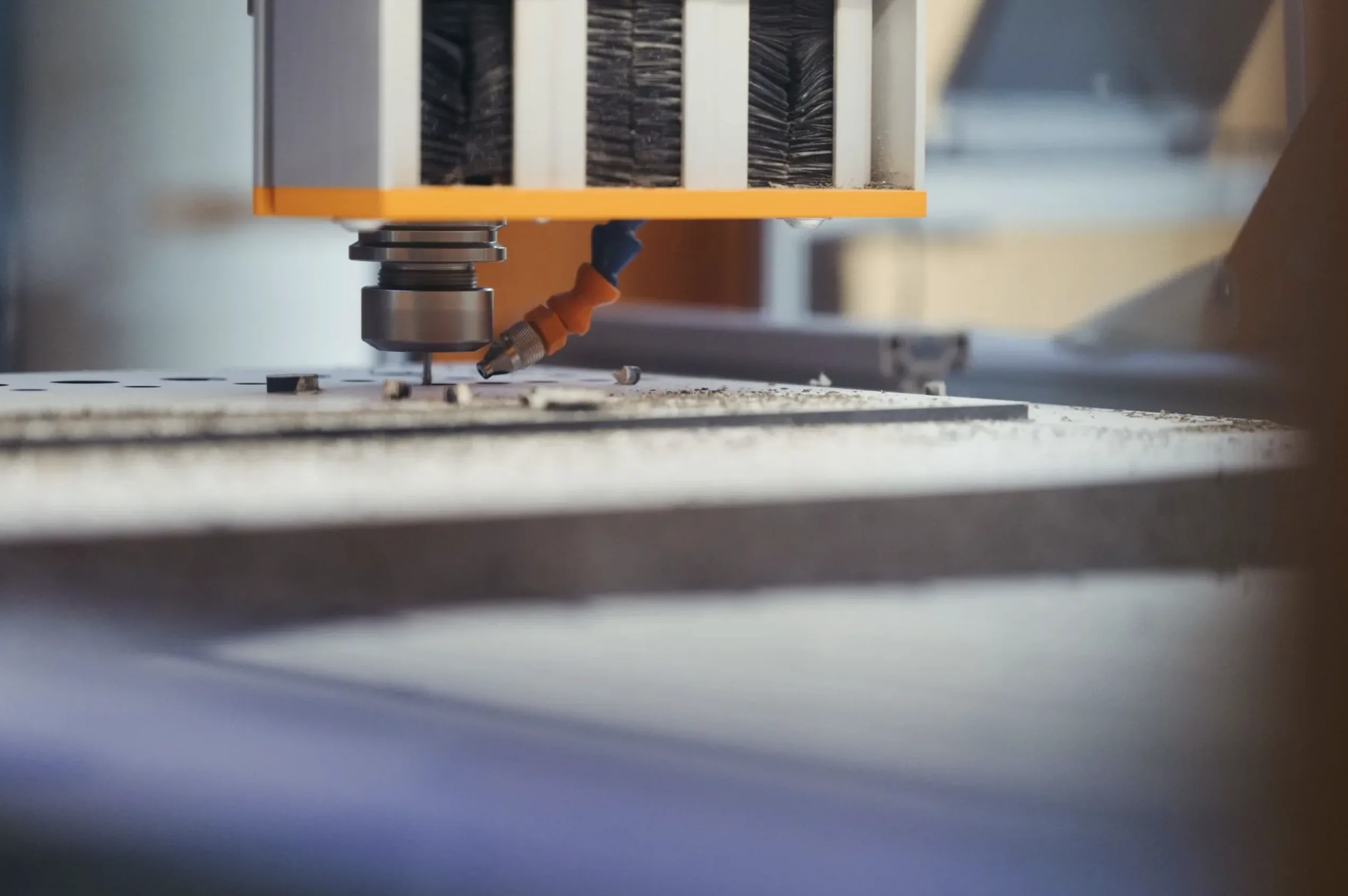 Test equipment

Every unit tested
Leak and weight checks on each IBC and drum.

Faulty units rejected automatically
Only approved units continue down the line.

Ready for the warehouse
IBCs stacked three high, drums placed on pallets.
Additional options for IBCs and drums
After testing, our lines can take care of:
- Fitting ball valves and lids (semi-automatic)
- Filling
- Tilting
- Collecting and transporting
- Strapping palletised drums




How we work,
in five steps
Our process
Assessment and business case
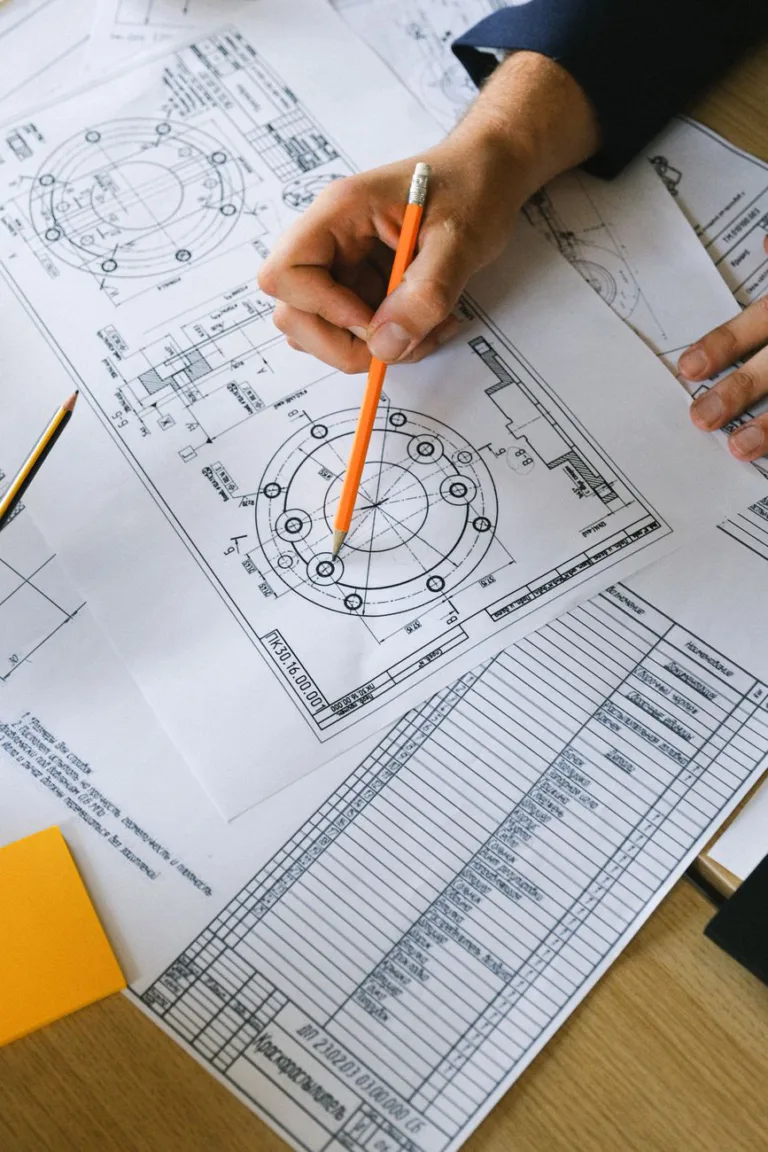
Engineering
Build and assembly
Factory acceptance test (FAT)
Installation and service



Service and maintenance
Keeping your machine running
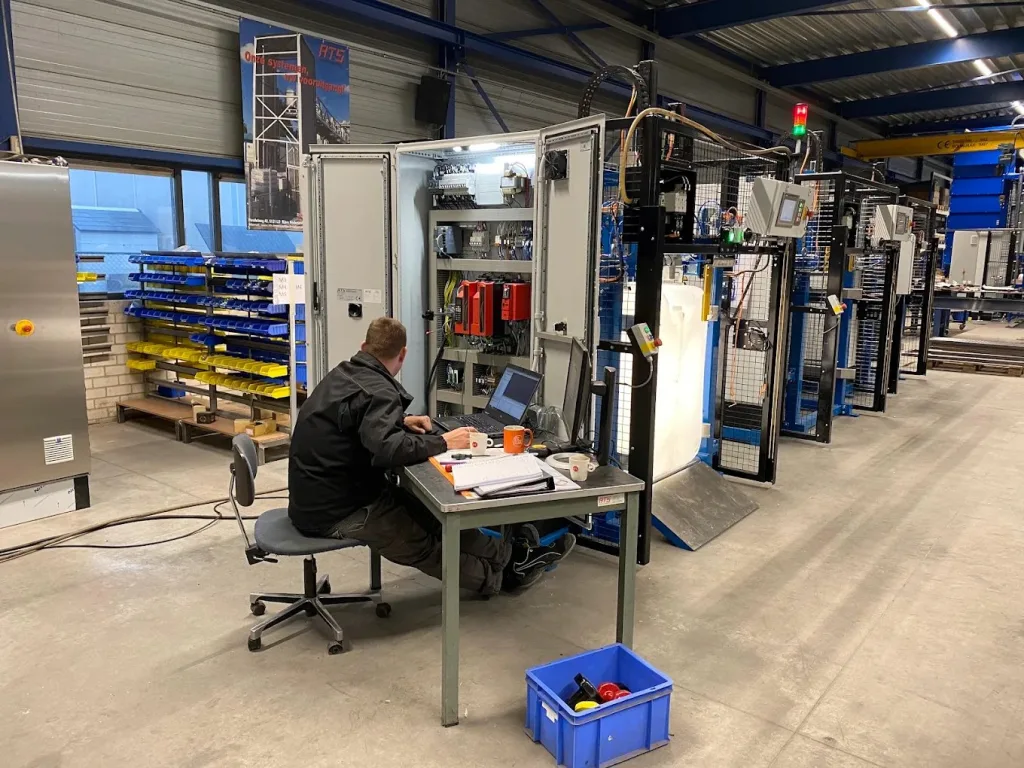
Wherever your machine is running, our team is ready to support you. We offer planned maintenance with a service report. Every machine has a modem, so with your permission, our engineers can check the control system remotely and help your team find the right fix. And because we build with standard components wherever possible, spare parts are easy to buy locally.
Video
Test lines at work
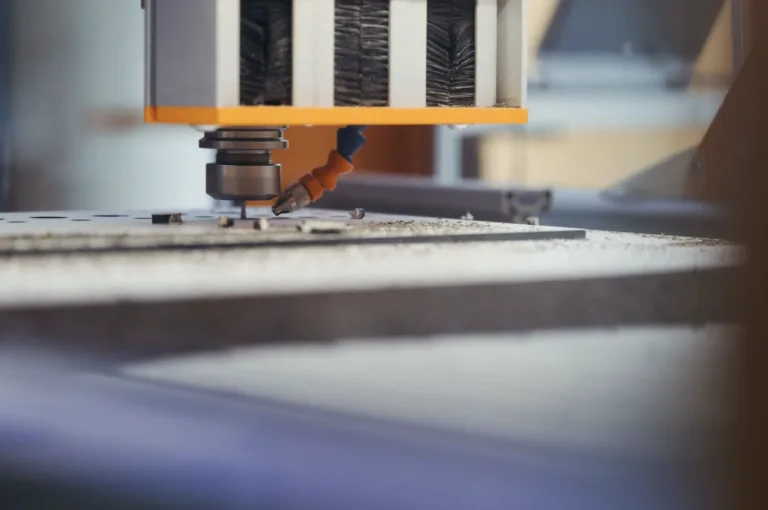
A test line in action
See how every unit is tested straight after blow moulding.
Tested, caged and stacked
From leak test to a stack ready for the forklift.
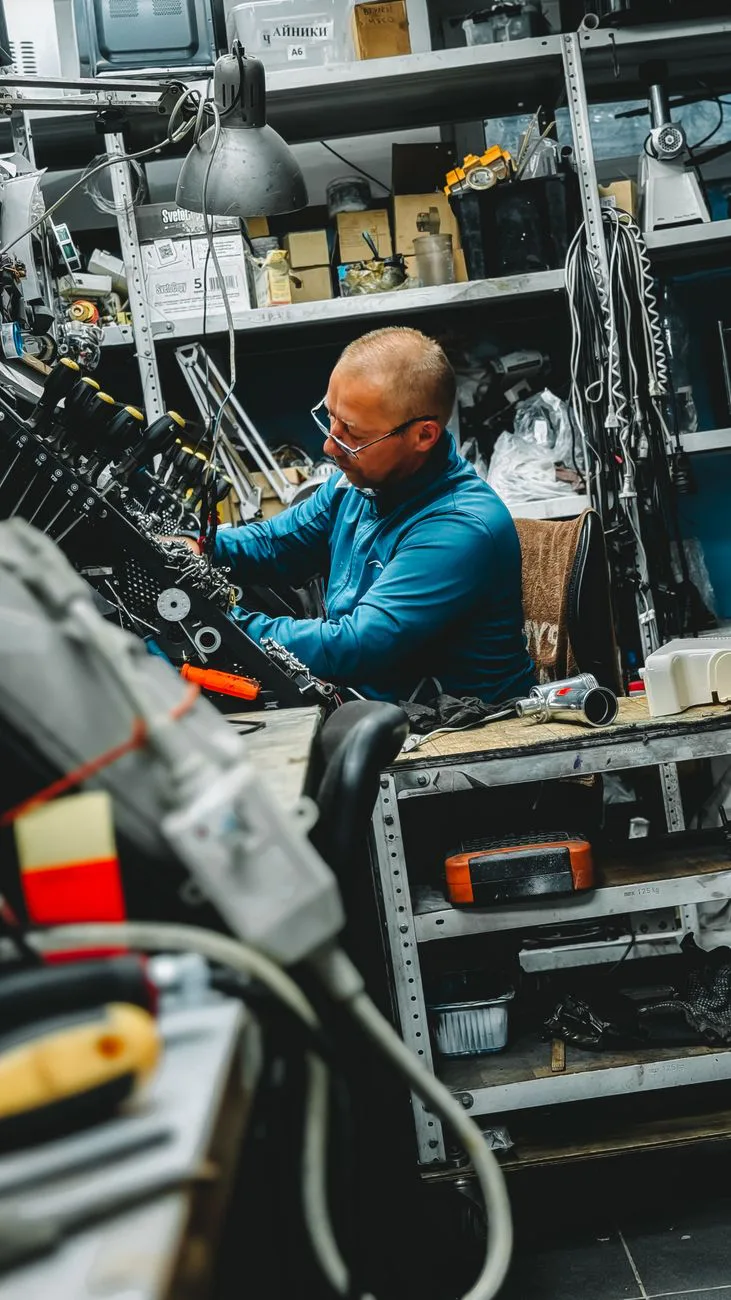
Built and tested in Rijen
Every line is tested at our factory before it leaves.
‘We’re down-to-earth Dutch: no big words, just good machines.’
Wiebe van Terwisga, Managing Director
About ATS
ATS Dutch Machinery designs and builds machines you can rely on, day after day. Our team of engineers, builders and service technicians works under one roof in Rijen, the Netherlands. So you always deal directly with the people who design, build and service your machine, from the first drawing to every service visit.
Dutch engineering
Designed, built and tested at our factory in the Netherlands.
Installed worldwide
Our team installs and commissions every machine on site.
Service and maintenance
Planned maintenance and remote support, wherever your machine runs.
FAQ
Questions and answers
Answers to the most common questions we get. Have a different question? Our team is happy to help.
Every IBC and drum is checked for leaks, weight and damage straight after blow moulding. Faulty units are rejected automatically.
Approved IBCs are placed in their cages and stacked three high, while drums are placed on pallets, ready for the warehouse.
Yes. Our lines can also fit ball valves and lids (semi-automatically), fill, tilt, collect and transport units, and strap palletised drums.